
You may have a potassium limit. On PD you may aim for 3,000 to 4,000 mg/day. (On PD you do daily exchanges and may even need to eat more foods with potassium.) In-center HD may allow about 2,000 mg/day. Daily or nocturnal HD may allow even more. Ask your dietitian and your doctor how much potassium you can have each day.
Your lab tests will tell you if you are on track. For most people on dialysis, potassium should be 3.5 to 5.5 mEq/L. If your labs are good, then you know you’re doing okay. If your potassium is high, write down what you’re eating for a week, so you can sit down with your dietitian and figure out how you can do better.
To learn more about lab tests and signs of too much or too little potassium, read Module 7—Understanding Kidney Lab Tests.
Fresh Meats May Have Added Potassium or Phosphorus
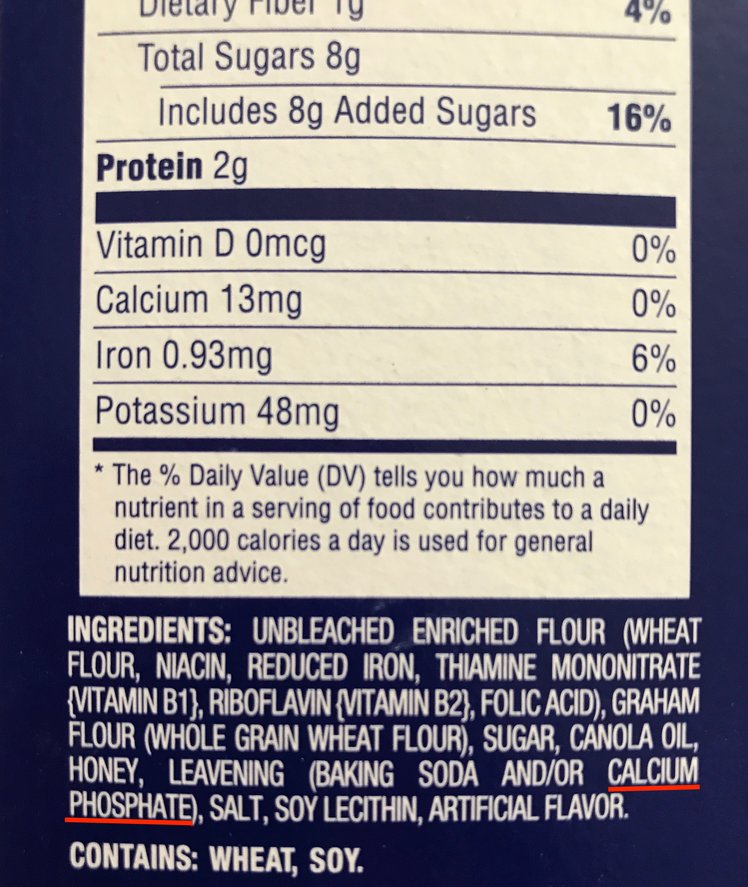
Watch out! Some fresh meats have been “enhanced” by injecting them with fluid that may have potassium or phosphorus. Meat processors do not have to tell you what they have added—but they do have to tell you if something has been added. Read the label and look for the words “broth” or “phosphate.”

