
Aromatherapy
Aromatherapy is a thousands-of-years-old process of using scented plants and oils for healing. Used as perfumes, incense, drugs, and cosmetics, plant essential oils were highly valued in most ancient cultures. Perhaps the Egyptians are best known for their love of fine perfumes and for using plants and oils, like cedar and myrrh, for preserving mummies.
We owe the rebirth of aromatherapy to lavender! According to the International Federation of Aromatherapy, the term "Aromatherapie" was first used 65 years ago by a French perfume chemist named Gattefossé. Working in the lab, Gattefossé burned his hand badly and plunged it into a nearby vat of lavender essential oil. When his burn healed quickly without blisters, Gattefossé began a life-long study of the healing effects of plant oils.
Caution: Essential oils are for external (outside the body) use only. Dilute them in a lotion or other oil before you apply them to your skin, or they can cause a rash.
Essential oils are rich in healing properties and some can help calm nerves. Applied to the skin or inhaled, essential oils can subtly shift your chemistry to create balance in your body. They are a comforting way to treat anxiety or other strong feelings.
What Patients Have to Say About Aromatherapy
"I know this may sound a bit crazy—but I sometimes put lavender oil on my pillow when I have trouble sleeping. Just a tiny drop on a cotton ball and put it in the pillow case seems to relax me a bit. I read about how aromatherapy can help you if you need to relax—I tried it and it worked for me. I sometimes read before I got to sleep. I really have a tough time getting to sleep sometimes." —Donna
"Oh, and how could I forget my aromatherapy pillow? I purchased it at my rheumatologist's office. It has a scent of eucalyptus and clove, is made of buckwheat hulls, and I can use it for both heat and cold. I use it heated before doing my neck exercises, and am using it to survive the pain of shingles."
Safely using aromatherapy
You may find essential oils in a pharmacy or natural food store and you can use them to make bath or massage oils, scented room spritzers, or even light bulb scents (with a low-cost ceramic light bulb ring to hold the oil). Look for a book to tell you how to use them, and smell the samples in the store until you find the ones you like. Small amounts of most oils are safe; however:
- Don't try aromatherapy oils to treat symptoms unless you have the help of a trained aromatherapist.
- Consult with a qualified practitioner before using essential oils when pregnant.
- Certain drugs, stress, or allergies can make you more sensitive to essential oils, so always try first in a small amount—apply to a small patch of your skin. If you are sensitive, consider flower essences.
Plant oils, especially costly ones, may be diluted with other oils. Read the label to know what you are buying—a pure plant oil must be labeled "essential oil".
Aromatherapy choices
Here are a few essential oils to consider keeping in your home pharmacy:
- For lifting mood: Rosemary*, Lemon, Ylang Ylang, and Tangerine
- For improving alertness and memory: Rosemary*
- For reducing anxiety: Chamomile, Lemon balm*, Hiba*
- For calming and sleep: Lavender*
- For easing fibromyalgia pain: Valerian (in bath water)
- For killing bacteria and fungus: Tea tree
- For killing yeast: Lemongrass*
- For burning fat: Grapefruit**
- For hormone imbalance: Lavender, Geranium, or Clary Sage
- For growing hair in alopecia areata: Combination of Thyme, Rosemary, Lavender, Cedar rubbed into affected areas*
- For men: Sandalwood, Cypress, Clary Sage, Lemon
- For babies and children: Lavender and Chamomile oils are safe when used in diluted amounts
* Studies in humans have found this. ** Studies in rats suggest this.
Aromatherapy practitioner credentials
Some practitioners, like massage therapists, have taken aromatherapy courses. Aromatherapy certificate courses can be taken in the U.S. and Europe; some are correspondence courses. There is no official aromatherapy accreditation in the U.S.
Lavender for Relaxation
There are many essential oils and as you use them, you will soon learn your favorites. Lavender is a classic for soothing tension, reducing stress, and helping restful sleep. It is safe for all ages. Here are some tips for using lavender daily. Note: Do not use other oils in these recipes unless you have the guidance of an aromatherapist or book.
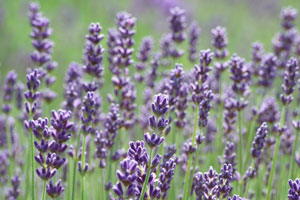
To make a Lavender room spritzer: Add 12 drops of Lavender essential oil to water in a 4 oz. spritzer bottle. Label the bottle. Shake well before using, and keep the spray away from your eyes.
Lavender has a calm, relaxing scent and makes a great bedtime pillow spray. Keep a Lavender spritzer near your computer, too, and spray around yourself often for a calming effect.
To make a Lavender massage oil: Add five drops of lavender essential oil per ounce of almond oil or unscented lotion for children, or 10 drops per ounce for adults. Apply this oil to your skin—or add it to your bath water! During times of great stress, add a drop of chamomile to the massage oil, too, and rub it on your chest before bedtime—good for children and adults.
To make Lavender for the bath: After you fill the tub, add 4-6 drops of lavender essential oil and blend with the water. Add more if you like a stronger scent. (For a foot bath, fill the tub to just cover your feet or use a large bowl to soak.)

