
What are Qigong and Tai Chi?
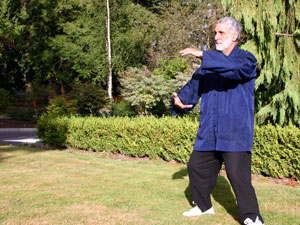
Qigong ("chi gong") is the practice of a series of dance-like movements to balance qi in the body. The flowing movements focus on the breath. There are seated and standing qigong forms, as well as moving forms that resemble tai chi (a form of Chinese exercise). Others are done on a mat and are more like yoga.
To learn qigong, you can go to a class, and then practice on your own. You can start the movements at any level within your range of motion. There are also many books and DVDs that can guide you. Over time your body will get more flexible and your range of motion and balance may improve. You may also notice a calming of your mind. If you are unsure whether a class is right for you, ask if you can attend just one trial session.
How qigong teachers are trained
Teachers can learn qigong or tai chi without knowing other forms of TCM. In China, students often study under a single TCM master for many years, and then begin teaching themselves. In the U.S., many teachers have learned qigong and tai chi through a path of study with a number of teachers. Qigong may aid the effects of acupuncture.
How Qigong Teachers Might Approach Kidney Disease
"A regular movement practice encourages the body to breathe more efficiently, and increases focus and flexibility, which can lead to a change in the body's overall functioning and response to daily stress.
"A healthy flow of energy leads to balance on all levels—mental, emotional, physical, and spiritual. The initial practice helps bring the body into balance. Continued practice helps maintain the balance. Whether we have health issues or not, most of us can increase our level of wellness and feeling of well-being with regular movement."

