
Eat a healthful diet and maintain a healthy weight
America may have the most diverse food supply of any nation—but we also may have some of the worst eating habits. Study after study shows that eating right can pay off in a more-healthful life. What's a healthful diet?
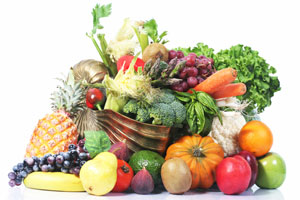
- Fresh fruits and vegetables. Try to eat a rainbow each day (but be sure to stay within your potassium limits if you are on dialysis): Red apples, raspberries, or watermelon. Orange apricots or carrots. Yellow corn, summer squash, or fresh pineapple. Green asparagus or lettuce. Blueberries. Purple eggplants or blackberries. The micronutrients that give fruits and vegetables their beautiful colors also help protect your health.
- Lean meats, chicken, fish, and vegetable protein. Your doctor may suggest that you eat more or less protein, depending on how your kidneys are working. If you eat beef or pork, choose leaner cuts for less fat. Add oily fish, such as salmon, to your diet a few times a week for omega 3 fatty acids that protect your heart. Cook chicken with skin on to keep it moist, then don't eat the skin. Beans, nuts (and peanut butter), and soy products like tofu also have protein. These tend to be less complete proteins than what is found in meat and fish. If you are on dialysis, you may need to limit beans, nuts, and soy, because they are high in phosporus.
- Whole grain cereals and breads. Many cereal and bread products have lots of added sugar. Read labels and look for cereals with at least 4 grams of fiber per serving. Seek out tasty whole wheat, multigrain, or oatmeal breads instead of plain white bread. Keep doughnuts, cookies, brownies, high-fat muffins, toaster pastries, etc., as a rare treat—not daily fare.
- Unsaturated fats. Cook with heart-healthy extra virgin olive oil or safflower oil instead of butter, Crisco®, or lard. Read labels to look for saturated fat where you might not expect to find it. U.S. food-makers are required to label food that contains trans fats (partially hydrogenated oil)—oils that are made solid at room temperature by injecting oxygen into them. The body does not process these fats well, and they can cause heart disease and may help trigger type 2 diabetes. Trans fats are found in most margarines, and baked goods like crackers, cookies, even macaroni and cheese. Read food labels and avoid products that list "partially hydrogenated oils" in the ingredients.
- Reduced salt. Hidden salt is very common in fast foods, sauces, and in processed foods, like deli meats, dried mixes, "Helpers", pickled foods, canned soups, and even cottage cheese. Learn to read labels for sodium.
- Low-fat dairy (if you are not on dialysis). Milk is a great source of calcium—and skim milk has just as much as 2%. Try low-fat sour cream, yogurt, and ice creams instead of the full-fat versions. Don't like the taste of low-fat cheese? Eat the real thing—in a smaller portion.

